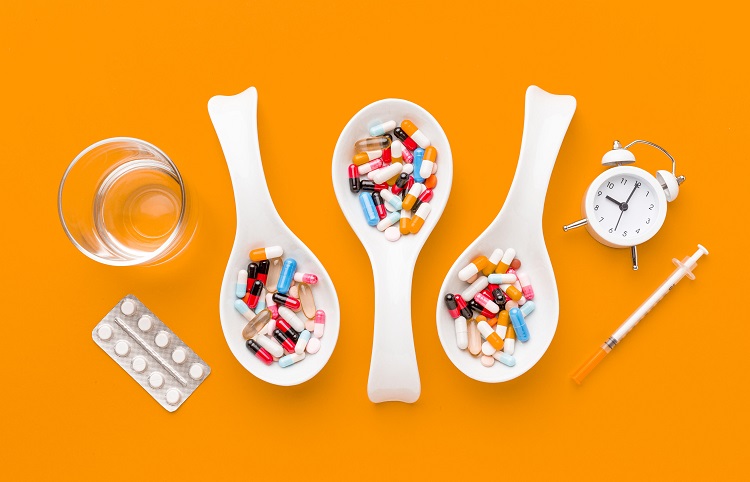
We take medications to feel better, but sometimes they come with hidden costs—especially for our kidneys. As a pharmacist, I’ve had countless conversations with patients who had no idea that their everyday pills could be quietly affecting these vital organs. If you’ve ever wondered whether your meds could be harming your kidneys, you’re not alone. Let’s break it down in plain terms so you can stay informed and take action if needed.
Why Your Kidneys Matter More Than You Think
Your kidneys aren’t just there to make urine—they’re your body’s silent cleanup crew. They filter waste, balance fluids, regulate blood pressure, and even help produce red blood cells. But because they process everything in your bloodstream, they’re also on the front lines when it comes to side effects of medication.
Some drugs can strain or even damage your kidneys, especially if you’re older, dehydrated, or already have kidney issues. Knowing about effects of various meds can help you to use it cautiously.
1. Painkillers (NSAIDs):
Common Names: Ibuprofen (Advil, Brufen), Naproxen (Synflex), diclofenac
We’ve all reached for these for headaches, back pain, or sore muscles. Overusing these medicines can reduce blood flow to your kidneys, leading to sudden kidney injury or worsening existing problems.
People at most risk:
patients with high blood pressure and those with diabetes or heart disease. Anyone already dealing with kidney issues.
Recommended Action:
· Use the lowest effective dose for the shortest time.
· If you need pain relief often, ask your doctor about kidney-friendly options.
2. Various Antibiotics:
Some antibiotics, like gentamicin or vancomycin, can be tough on the kidneys, especially in high doses or with long-term use. These can damage kidney tubules, making it harder for your body to filter waste.
Recommended Action:
· Never take antibiotics without a prescription.
· If you’re on them long-term, ask about kidney function tests.
3. Water Pills (Diuretics):
Diuretics are commonly used to control blood pressure. These drugs help your kidneys get rid of extra water and salt from your body through your urine. Diuretics like furosemide (Lasix) or hydrochlorothiazide help flush excess fluid, but they can also dehydrate you or throw off electrolytes—both of which stress the kidneys.
Recommended Action:
· Stay hydrated (unless your doctor says otherwise).
· Get regular blood tests to check potassium and kidney function.
4. Heartburn Meds (PPIs)
PPIs are suggested to treat stomach acid-related symptoms, such as heartburn and acid reflux. Drugs like omeprazole (Risek) and esomeprazole (Nexium) are great for acid reflux, but studies suggest long-term use might increase kidney disease risk.
Recommended Action:
· Use PPIs only when necessary.
· Try lifestyle changes (smaller meals, less caffeine) before relying on them daily.
5. Medicines for Blood Pressure (ACE Inhibitors & ARBs):
Medications like lisinopril or *losartan* actually protect kidneys in most people, especially those with diabetes. But if you have severe artery narrowing or dehydration, they can sometimes reduce kidney function temporarily.
Recommended Action:
· Never skip your blood pressure meds without talking to your doctor.
· Get regular kidney checks if you’re on these long-term.
6. Lithium (for Bipolar Disorder):
Lithium is a lifesaver for mood disorders, but it can build up and harm kidneys over time.
Though it is commonly used to treat manic and mixed episodes of bipolar I disorder and to help prevent symptoms from returning. Lithium may also be used for other conditions as determined by your health care provider.
Recommended Action:
· Regular blood tests are a must to monitor levels.
· Report any changes in urination or swelling to your doctor ASAP.
How to Protect Your Kidneys
1. Stay hydrated, unless your doctor restricts fluids.
2. Ask question to your pharmacist and doctor who can explain side effects.
3. Get tested —simple blood and urine checks catch problems early.
4. Don’t overuse OTC medicines —even painkillers can cause harm.
5. Speak up if you feel off, tell your doctor. Fatigue, swelling, or changes in pee habits can be red flags.
FAQs
Q: Can Tylenol hurt my kidneys?
A: It’s safer than ibuprofen for kidneys, but too much can harm your liver. Stick to the recommended dose.
Q: Are all antibiotics risky?
A: No, but some (like gentamicin) need extra monitoring.
Q: Can kidney damage from meds be fixed?
A: Sometimes, if caught early. But prevention is always better!
Final Thoughts
Your kidneys don’t complain until things get serious—so it’s up to you to be proactive. If you’re taking any of these meds long-term, don’t panic. Just stay informed, keep up with check-ups, and work with your doctor to make smart choices.
Your kidneys work hard for you—return the favor by looking out for them.
Have questions about your medications? Ask your pharmacist or doctor. Small steps today can keep your kidneys healthy for years to come.